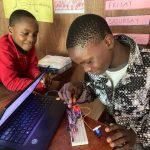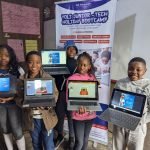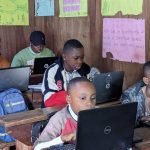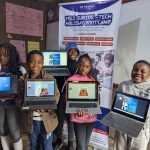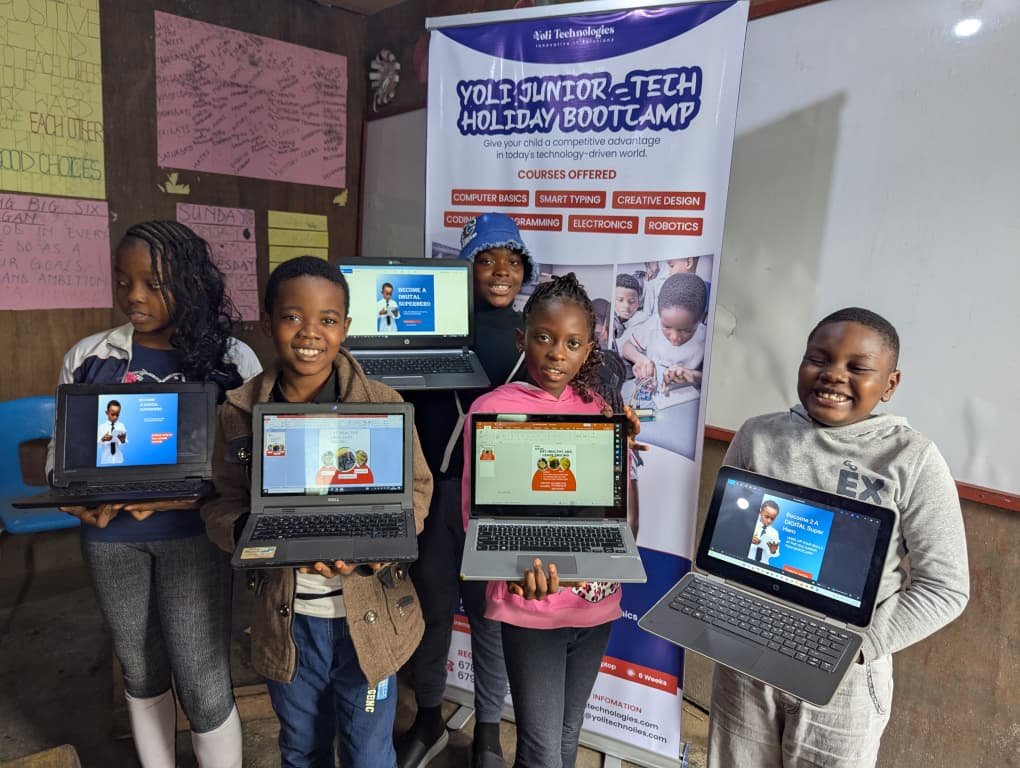
Yoli Technologies runs a tech bootcamp for kids in Cameroon that covers more ground in six weeks than most students encounter in a full school year of computer classes. Yoli Junior Tech Bootcamp 3.0 has over 20 students enrolled across two tracks, Elementary and Advanced, running Tuesday to Friday at locations in Molyko and Bonduma in Buea. The program began July 1 and runs through August 14, 2026.
This post covers the full curriculum: every topic taught, every project completed, and what the sessions actually look like from the inside.
Two Tracks, One Six-Week Program
Every student in this tech bootcamp for kids in Cameroon starts from the same place. Before any track separation happens, the first session brings everyone together so tutors can assess where each student actually stands. From that assessment, learners are placed into the track that matches their current level.
The Elementary track runs for students from Class 4 to Upper Sixth with little or no prior computer experience. The Advanced track is designed for secondary level students who are ready to move faster and cover more demanding content. Both tracks follow the same six-week structure, run four days a week, and come together on graduation day for a shared closing presentation.
What the Elementary Track Covers
The Elementary track opens with a full week of computer basics. Students learn what a computer is and does, explore the difference between hardware and software, and handle real components during the sessions. They study types of PCs, understand how system and application software work, and go through safety rules for using technology responsibly. By the end of week one, the foundation is in place.
Week two is dedicated to typing. Using Mavis Beacon, students build correct hand placement and finger positioning before spending the week on typing games that build muscle memory. A ten-minute typing session is built into every single day, not just week two. That daily repetition is what makes the skill stick.
Microsoft Word and PowerPoint come in week three. Students learn Word formatting and complete a typing assignment, then move into PowerPoint and build a full presentation from scratch. By the end of that week, Elementary students are working across both applications with genuine confidence.
Week four moves into creative design using PowerPoint. Students cover design principles, then spend three days on project work where they design and finalize their own work. The combination of theory and production in the same week is what makes the output from this group so strong.
Week five is robotics. Students build a smoke detection system, a water level detection system, a fingerprint security system, and a smart house with a mobile app, one project per day. Week six introduces coding, starting with HTML on Tuesday and CSS on Wednesday before a review session and final presentations.
What the Advanced Track Covers
The Advanced track moves faster and covers significantly more technical ground. Week one starts with an introduction to computers and safety, then moves into a Microsoft Office overview, Excel, and a PowerPoint assignment given over the weekend. In one week, students are already working across multiple Office applications.
Week two introduces Microsoft Access and databases, then pivots into web development with HTML and CSS across the final two days. By the end of week two, Advanced students have touched databases and started writing code.
Week three is programming. Students work through C programming from the ground up, complete project-based work in C, then move into Python basics and Python project work. Four days, two languages, real output.
Week four is robotics. Advanced students build a toll gate system, a smart house with RFID, a radar project, and an alarm system, one project per day. These are functional systems that students design, build, and present.
Week five is Canva and creative design. Students learn the platform, work through design projects across multiple days, and finalize their work by Friday. The design output from a group that has already done programming and robotics tends to be precise and methodical in ways that show immediately in the work.
Week six brings everything together. Students review email and meeting tools, spend two days reviewing every project completed across the six weeks, and close with final PowerPoint presentations.
Why This Program Works
According to UNESCO, Sub-Saharan Africa faces a significant gap in digital skills among young people, with the majority of students finishing secondary school without basic computer literacy. This tech bootcamp for kids in Cameroon was built specifically to close that gap for students in Buea. (UNESCO Institute for Statistics: ICT in Education)
Students in this program are not learning about technology in the abstract. They are using it, building with it, and producing things they can show. A student who has spent a week building robotics systems does not forget what they learned. A student who designed a project in Canva and presented it to the group carries that confidence into every session that follows.
At the end of one early session, the class had already run thirty minutes past closing time. One student looked up and asked why the session was so short. That is a reasonable summary of how this program has been received.
The program was also built for Cameroon. The examples connect to things students already know. The tutors are working professionals bringing field experience into the classroom. And the six-week structure is long enough for real learning to happen without being so long that momentum fades.
Enrol Before the Program Closes
The Junior Tech Bootcamp 3.0 runs until August 14, 2026. The fee is 30,000 FCFA per child, with a discount available for families enrolling more than two children. Each student should have access to a laptop, and laptops are available at reduced rates for families who need one.
If your child is between Class 4 and Upper Sixth and is not yet enrolled, spaces are still available at both the Molyko and Bonduma centres. This is the only tech bootcamp for kids in Cameroon structured this way, covering computer literacy, typing, Word, PowerPoint, HTML, CSS, programming, robotics, and design all in one six-week program.
Reach out through the contact page and we will place them in the right track.